25-06-2026
Riga is continuing a large-scale renewal of its urban infrastructure. Under the city’s approved 2026 budget, more than €200 million is planned for investment in education, transport and urban development.
Of this amount, €78 million has been allocated to major infrastructure projects. These include the renovation of Vanšu Bridge, Jorģa Zemitāna Bridge and the Air Bridge, the completion of the Kundziņsala overpass and the fourth phase of the Southern Bridge.
A further €5.3 million is planned for urban landscaping and pedestrian safety. The programme includes 20 new pedestrian crossings, improvements to 40 existing crossings, five safer school zones and new cycling infrastructure.
For the property market, these investments matter far beyond the renovation of roads and bridges. Accessibility, street safety and the quality of public space directly affect how convenient a neighbourhood is for living, working and doing business.
Bridges as Part of the City’s Investment Infrastructure
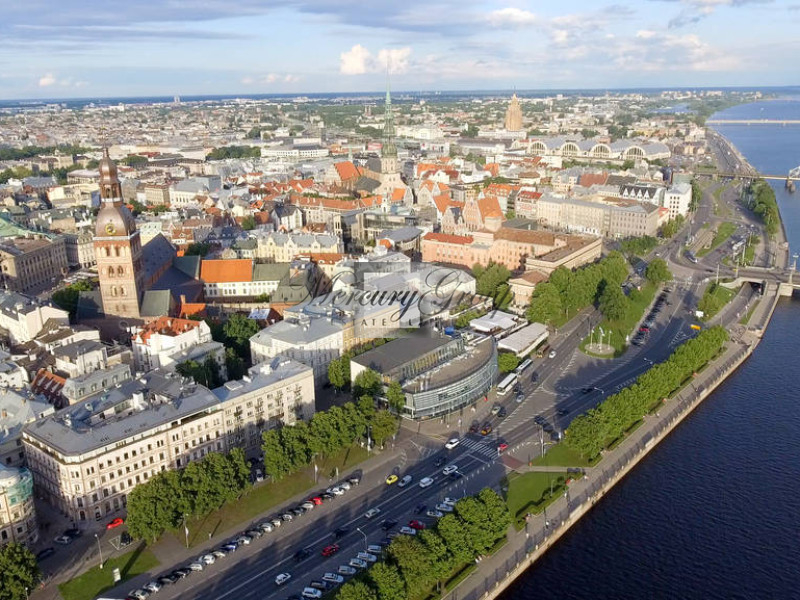
Riga is located on both sides of the Daugava, which makes bridges essential to the city’s daily mobility.
Their condition and capacity affect travel times, access to business districts, public transport and key urban services. For property owners, this is an important consideration: even a high-quality property may lose part of its appeal when its neighbourhood is poorly connected to the rest of the city.
The renovation of major bridges and overpasses can strengthen links between districts and make certain locations more practical for permanent residence. This may support demand for housing, offices and commercial premises near important transport corridors.
However, infrastructure investment does not automatically guarantee an increase in property values. The outcome depends on project delivery, the quality of the improvements, traffic organisation and whether the new infrastructure genuinely makes everyday life more convenient.
Safer Streets Improve Neighbourhood Quality
The city budget places particular emphasis on pedestrian safety.
New crossings, improved lighting, traffic-calming measures near schools and cycling infrastructure are especially important for families, older residents and people who prefer to move around the city without relying on a car.
For residential real estate, this is becoming an increasingly important selection criterion. Buyers evaluate more than the size of an apartment, the condition of a building or the distance from the city centre.
They also consider whether they can safely walk to a school, shop, park or public transport stop. A neighbourhood with a strong pedestrian environment may be more attractive for both long-term living and rental demand because it serves a broader range of residents.
Transport Hubs and Neighbourhood Development
The city also plans to develop public transport near mobility hubs and railway stations, support transfer points and introduce additional parking facilities.
Such projects can change the perception of districts previously regarded as remote or inconvenient. When access to the centre becomes faster and transfers between trains, buses, trams and private vehicles become easier, the geography of attractive residential areas can expand.
For investors, this creates an opportunity to look beyond traditionally prestigious addresses and consider locations undergoing meaningful infrastructure transformation.
It remains important to distinguish funded projects from longer-term intentions. Property analysis should take account of the actual construction schedule, the current stage of implementation and possible temporary disruption, including traffic restrictions, noise and construction activity.
What Infrastructure Investment Means for Buyers
Urban infrastructure can influence real estate in several ways:
-
by improving neighbourhood accessibility;
-
by widening the pool of potential buyers and tenants;
-
by making housing more attractive to families;
-
by supporting local retail and services;
-
by improving the public realm;
-
by reducing the practical distance between central and outer districts.
Infrastructure is nevertheless only one component of property value. Buyers should also assess the technical condition of the building, project quality, energy performance, legal status and the development outlook for neighbouring plots.
In some cases, proximity to major transport infrastructure improves accessibility but may also bring additional noise or heavier traffic. Each property must therefore be evaluated individually.
Riga Is Investing in Long-Term Competitiveness
The 2026 plans show that Riga is seeking not only to repair existing infrastructure, but also to create a safer, better-connected and more convenient urban environment.
For the property market, this is a positive long-term signal. Modern transport links, high-quality streets, safer pedestrian routes and stronger public transport form part of the foundation of a liquid and resilient urban real estate market.
The greatest potential may be found in districts where infrastructure improvements are combined with quality housing, access to services and credible prospects for further development.
Considering buying, selling or investing in Riga real estate? Contact Mercury Group. Our specialists will help you assess the potential of the location and the individual property, conduct comprehensive due diligence and professionally manage every stage of the transaction.